Through previous projects funded by Civil Society in Development (CISU), black soldier fly larvae (BSFL) farming in Kyaka II refugee settlement and host communities in Kyegegwa District and Mityana District had become a remarkable success, with widespread adoption and a thriving local market. However, farmers faced critical challenges that hindered the efficiency, sustainability, and scalability of BSFL production.
Challenges included limited and uncoordinated access to organic waste, lack of access to affordable credit, weak organisational structures among BSFL farmer groups, and lack of market coordination and networks. The project aimed to address these barriers, enabling farmers to scale up their BSFL production and achieve the overall project goal of “increasing incomes of refugees and host communities in Uganda through the production of BSFL as a sustainable feed resource”.
The project had four expected outcomes related to addressing the key challenges facing BSFL farmers:
- Increased access to organic waste as feed for BSFL production by establishing sustainable biowaste supply chains for BSFL farmers and breeding centres in Mityana, Kyegegwa, and Kyaka II refugee settlement.
- Improved access to affordable credit and savings options for BSFL farmers through savings and loan groups so they could invest in expanding their BSFL production.
- Improved market coordination and networking within and across the region.
- Strengthening MAMAH’s organisational governance structures and improving staff capacity to effectively monitor, evaluate, and learn from its activities.
Results: What we achieved
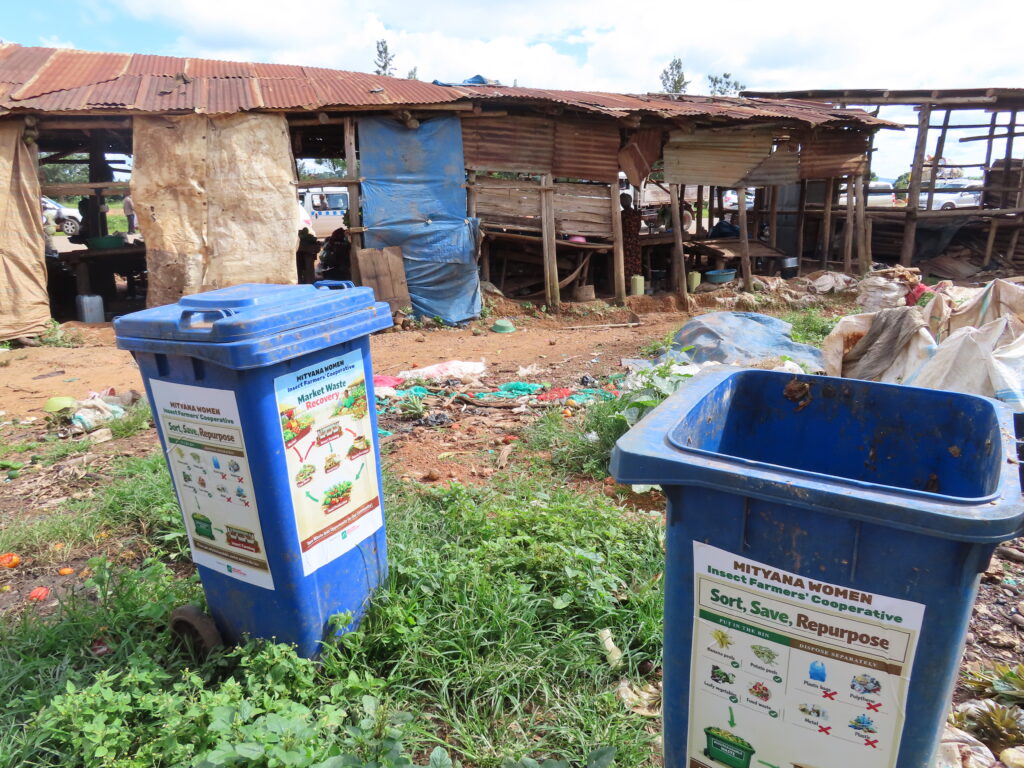
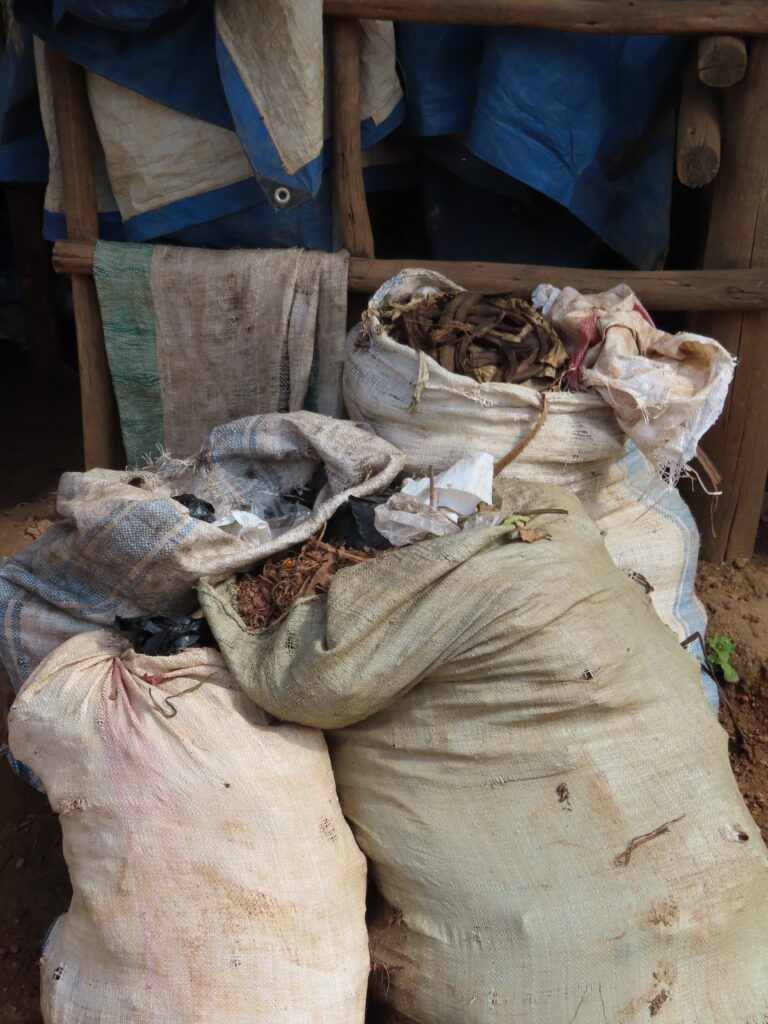
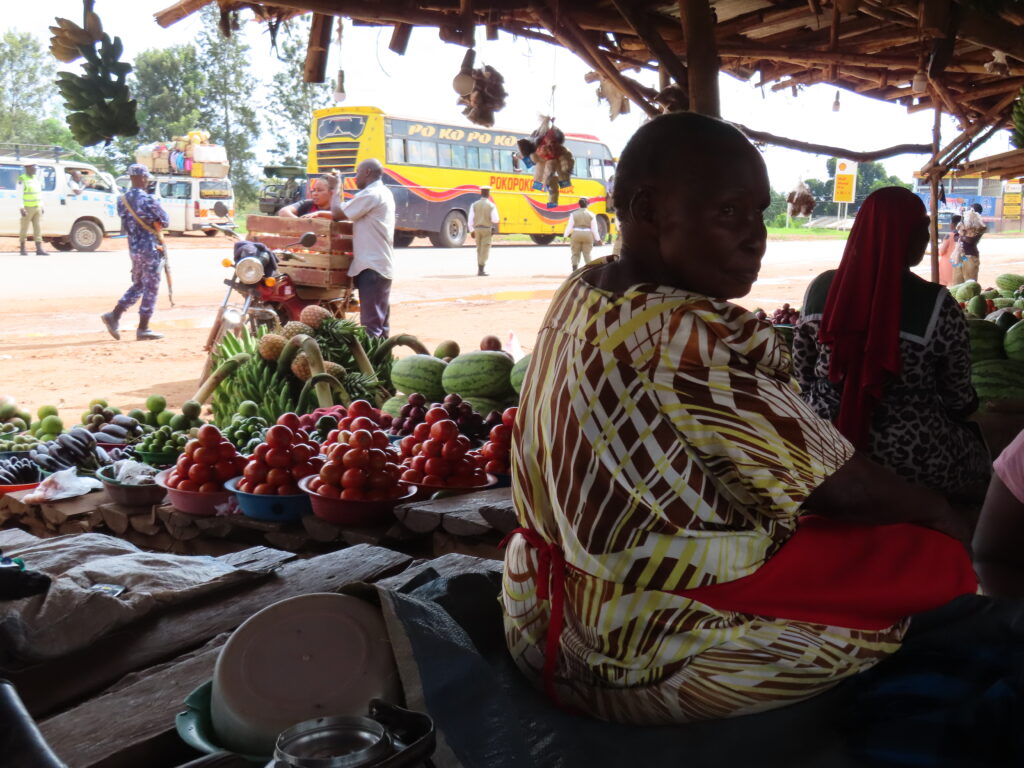
Working with our partner Mothers Against Malnutrition and Hunger (MAMAH), the project built a waste-sourcing system for BSFL farmers in Mityana and Kyegegwa, where no formal system existed before. Market vendors were trained in waste segregation, five waste access points were set up, and tuk-tuks were introduced to transport waste. Monthly waste collection rose from about 4.4 tonnes in August 2025 to 9.6 tonnes in June 2026, and 98 tonnes were collected in total. In Kyegegwa, collection tripled from 1.5 to 4.5 tonnes per month.
Two farmer cooperatives – the Mityana Women Insect Farmers’ Cooperative and the Kyegegwa Insect Farmers’ Cooperative – registered with the Ministry of Trade and opened bank accounts, and 43 cooperative leaders received training. Farmers showcased their larvae and frass at an exhibition in Bukere and at a national trade fair in Kampala.
MAMAH strengthened its organisation with 35 board-approved policies, a strategic plan for 2025–2035, and new systems for monitoring, evaluation, accountability, and learning (MEAL). In total, 920 people took part in project activities.
What difference did it make?
Of 94 farmers surveyed at the end of the project, 80% said their access to organic waste had improved, and none said it had worsened. District officials described a significant improvement in waste management, and cooperative members reported that farmers who had stopped production for lack of feed had started again.
Farmers also became stronger in the market: 68% said they or their group were selling BSFL products, 73% regularly sold or negotiated prices together, and 80% said they could negotiate better prices or conditions than before. Across the farmer groups supported by MAMAH, the average harvest rose from 4.9 kilograms (kg) to 8.3 kg per farmer per month between April 2025 and April 2026. Demand remains strong, with buyers in Kampala requesting at least one tonne a week.
What we learned
- More waste does not automatically mean reliable access. Every farmer needs dependable supply, so several supply relationships should be established early, with plans for seasonal and market disruptions.
- Farmer-led institutions need time. Registration and bank accounts were important steps, but access to affordable credit lagged behind, especially for refugee farmers, because registering a refugee-led cooperative took longer.
- Market contacts need follow-up. Sales and demand grew, but buyer arrangements remained verbal. The next step is to document sales and agree clear terms with reliable buyers.
- Waste, finance, and markets are connected. Farmers need reliable waste to produce, financial services to invest, and dependable buyers to earn an income.